

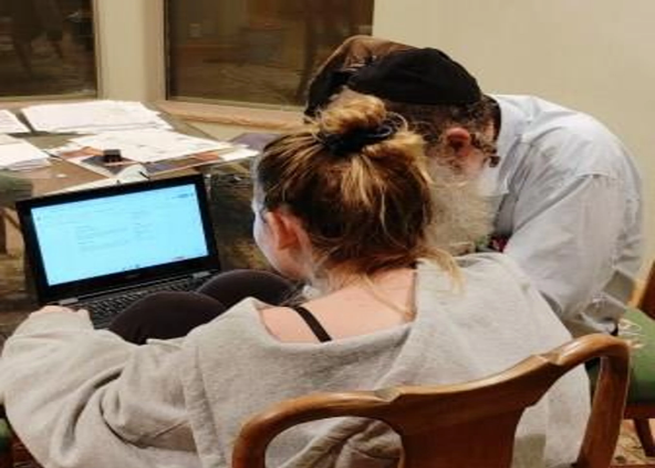
My undergraduate student’s eyes darted from the glowing syllabus on his laptop to my face. He swallowed hard.
“Why the panic?” I asked, sliding a notebook across the table.
He barely whispered, “The final is cumulative.”
Because he knew I’d ask, he added, “I can’t remember anything after the chapter tests.”
I leaned back. “Let’s see if that’s true.”
A Nervous Syllabus Scan
“Walk me through your week,” I said. “You finish a quiz, and then what happens?”
“Honestly, I close the tab and forget it,” he admitted. Yet, because the final covered everything, the forgotten facts suddenly mattered. Moreover, he realized every quiz grade had fooled him into feeling prepared. I explained that most grades reward short-term cramming rather than lasting mastery, so a cumulative final unmasks that illusion.
Memory Fades After Tests
“Think about last month’s chapter.”
He rubbed his forehead. “Gone.”
“So,” I continued, “your transcript may end up saying, ‘This is how well I forgot introductory biology.’”
He laughed, but the point landed. Meanwhile, we listed topics he once aced but now blanked on. Because lists make gaps obvious, he saw why steady review trumps last-minute marathons. For students who rely on in person tutoring in Phoenix, Arizona, daily recaps often cement learning before it drifts away.
Grades Versus Real Learning
He tapped the table. “But grades still matter, right?”
“Sure,” I said, “yet they’re only a signal—like a car’s check-engine light.”
Therefore, if the light stays on, you open the hood; you don’t frame the dashboard readout. Likewise, an “A” means you performed well under that specific test’s rules but doesn’t guarantee recall next year. Because college costs real money, forgetting equals paying for vapor. Employers, after all, hire substance.
Cumulative Finals Reconsidered Seriously
“Imagine,” I proposed, “that every course required a cumulative final.”
He grimaced. However, he admitted it would push him to review old notes each week. Consequently, his degree would announce, “Here’s what I know.” Because I saw the idea click, I added, “A relentless review routine feels hard now, but the reward lasts decades.” Besides, with in person tutoring in Phoenix, Arizona, we can pace that review so stress stays low and growth stays high.
Employers Want Retained Knowledge

We role-played an interview. I played the boss.
I asked, “Can you set up this database?”
He hesitated. “We used a different program in class.”
I shook my head. “Next candidate.”
He winced. The scenario stung.
Therefore, he grasped that bosses prize adaptable skills, not perfect GPAs. Moreover, transcripts don’t pop open on the job site; working memory does. If study habits build durable knowledge, interviews feel like demonstrations instead of auditions.
Rewiring Study Habits Now
“So, what changes today?” I prompted.
“Weekly spirals,” he said. “Every Sunday, I’ll revisit earlier chapters.”
“Good. And how will you test yourself?”
“Flashcards and teaching a friend,” he replied. Because explaining proves ownership, we agreed he would quiz me in the next session. Also, I promised targeted drills drawn from our in person tutoring in Phoenix, Arizona sessions. Thus, each review will stay short, but momentum will stay strong. Eventually, cumulative finals will feel routine.
For a story about this, stay tuned…